$1.26m spent on Ghana’s 2026 World Cup tickets
The Ministry of Sports and Recreation has disclosed that $1.26 million was spent on the procurement of 2,922 tickets for Ghana’s group-stage matches at the 2026 FIFA World Cup.
Of the total, 948 tickets were secured for Ghana’s encounter with Panama, 1,000 for the match against England and 974 for the fixture against Croatia.
Speaking before Parliament’s Youth and Sports Committee on Thursday, September 17, Sports and Recreation Minister Kofi Adams stressed that the tickets were not procured for commercial sale.
He said the total cost included a 10% administrative charge allowed by FIFA on the face value of the tickets.
“We spent about $1.26 million in the procurement of the 2,922 tickets,” he said.
For the Panama fixture, the Ministry purchased 100 Category One tickets at a FIFA face value of $450 each. With the 10% administrative charge, each ticket cost $495.
Additional tickets were procured under the supporter premium, supporter standard, supporter value and supporter entry categories, with prices varying according to their respective face values and the applicable administrative charge.
The Ministry purchased 1,000 tickets for Ghana’s match against England, including 100 Category One tickets valued at $600 each. The cost rose to $660 per ticket after the 10% administrative charge.
For the Croatia match, 974 tickets were procured, including 100 Category One tickets with a FIFA face value of $500 each and an actual cost of $550 after the 10% charge.
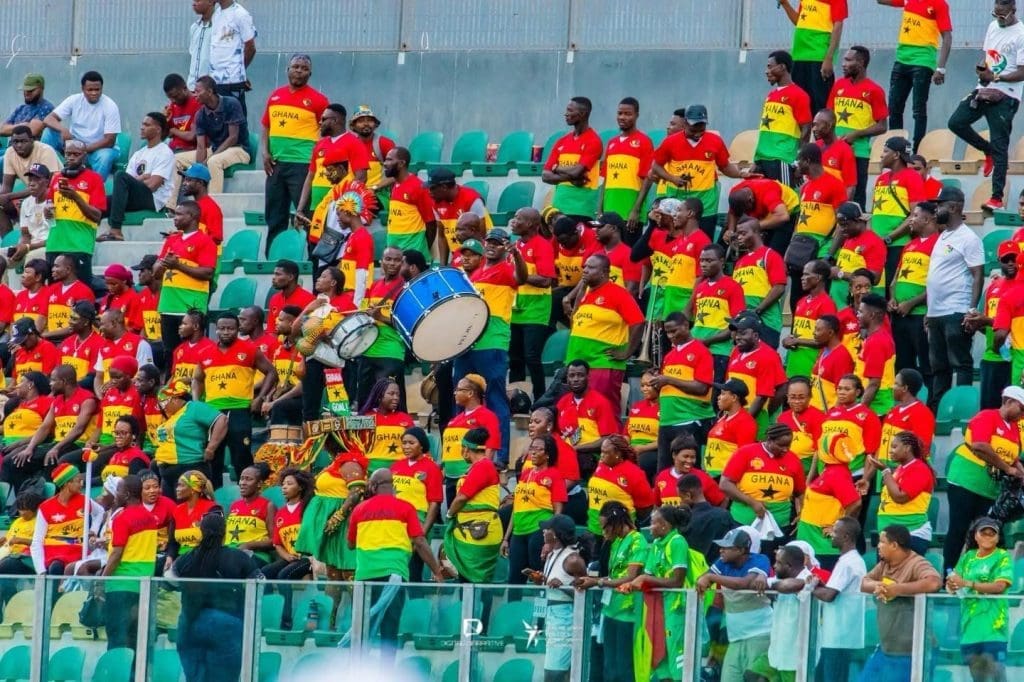
Adams said the tickets were distributed to members of the Ghana Supporters Union, Ghana’s High Commissions in Canada and the United States, Ghanaians living in the diaspora, the Ghana Students Association, the official government delegation and selected Ghana Football Association officials.
He explained that the original plan was to give more than 800 tickets to supporters and distribute the remaining tickets among Ghanaians.
However, visa application challenges at some centres resulted in a change of plan, with more tickets subsequently allocated to Ghanaians already residing in the diaspora.
“The decision was taken that we will give many more of the tickets to Ghanaians who are already in the diaspora to be able to pay,” Adams told the committee.