Prosecute chiefs selling lands in waterways — Ga Mantse
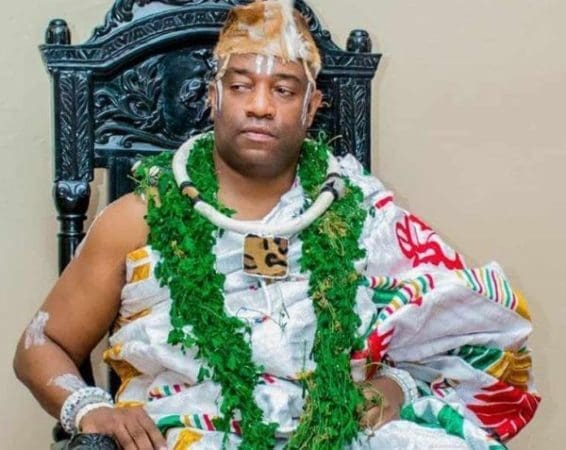
Ga Mantse, King Tackie Teiko Tsuru II
The Ga Mantse, King Tackie Teiko Tsuru II, has issued a strong call for the arrest and prosecution of chiefs and traditional authorities allegedly involved in the sale and allocation of lands situated on waterways, wetlands and flood-prone zones, warning that the growing disregard for environmental and planning laws continues to fuel devastating floods across Accra and surrounding communities.
The paramount chief said chiefs who facilitate illegal developments on natural drainage channels and protected green belts must be held personally accountable for the recurring destruction, displacement and loss of lives caused by flooding during Ghana’s rainy seasons.
His remarks come at a time of renewed flooding fears in parts of the Greater Accra Region following the recent spillage of the Weija Dam, which submerged homes, shops and roads in several low-lying communities and forced hundreds of residents to evacuate their belongings to safer grounds.
Speaking during a tour of affected communities on Thursday, May 28, King Tackie Teiko Tsuru II described the continuous encroachment on waterways as reckless and dangerous, insisting that authorities could no longer continue treating the matter with leniency.
Ga Mantse blames chiefs for worsening floods
Addressing journalists during the inspection tour, the Ga Mantse openly accused some traditional leaders of contributing directly to the flooding crisis by selling lands that should have remained protected as waterways and ecological buffer zones.
According to him, the activities of some chiefs and land custodians have enabled indiscriminate construction in areas naturally designated for stormwater movement and flood control.
“Chiefs who are selling lands in flood-prone areas and places that are supposed to remain green areas must be held accountable,” he declared.
The Ga Mantse stressed that unless the country confronts the issue decisively through strict sanctions and prosecutions, the perennial flooding situation in Accra would continue to worsen.
He warned that uncontrolled development on waterways had significantly narrowed drainage channels and destroyed natural flood absorption systems, leaving many communities exposed whenever heavy rains occur.
Calls for strict law enforcement
King Tackie Teiko Tsuru II urged Metropolitan, Municipal and District Assemblies (MMDAs), regional authorities and all state regulatory agencies to intensify enforcement of building regulations, environmental laws and planning by-laws without fear or favour.
He stressed that the culture of ignoring illegal developments for political, social or financial reasons must end if the country is serious about protecting lives and property.
“We believe that everything is on course. What we are asking is that government agencies, the Regional Minister, and the MMDAs enforce the by-laws,” he stated.
“Nobody should be allowed to build in waterways. If it is wrong, it is wrong, and we have to deal with it.”
The Ga Mantse maintained that enforcement must apply equally to all persons regardless of social status, political influence or traditional authority.
According to him, weak enforcement and selective application of the law have emboldened illegal developers and encouraged further encroachment on wetlands and waterways across the capital.
Demolitions painful but necessary
The traditional ruler acknowledged that demolition exercises often create emotional and financial hardship for affected residents and property owners.
However, he insisted that allowing illegal structures to remain on waterways posed an even greater danger to human life and public safety.
“Demolitions are painful, and I sympathise with those affected, but we will have to enforce the laws because these situations continue to cause loss of life,” he stated.
He warned that failure to act decisively would only result in more deaths, destruction of homes and repeated economic losses during every rainy season.
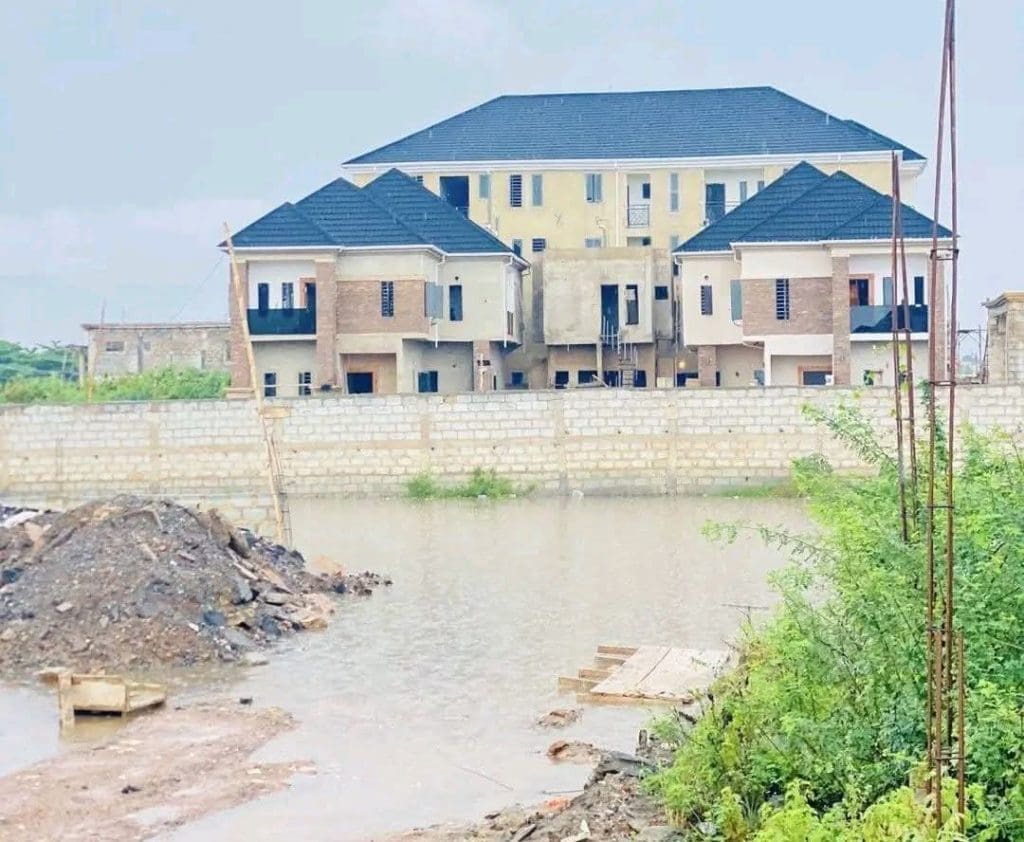
The Ga Mantse further stressed that flood prevention must become a national priority rather than a reactive exercise undertaken only after disasters occur.
Weija Dam spillage worsens flooding fears
The renewed calls for accountability come in the aftermath of flooding in several downstream communities following the opening of the spill gates of the Weija Dam by Ghana Water Limited.
Authorities explained that the controlled spillage became necessary after rising water levels triggered by heavy rains threatened the safety of the dam.
Communities including Tetegu, Oblogo, Choice and several parts of the Weija enclave have since experienced significant flooding, with many residents forced to move household items and temporarily abandon their homes.
Some roads in affected communities were inundated while shops and businesses also suffered losses from the floodwaters.
Emergency response teams from the National Disaster Management Organisation (NADMO) have since begun evacuation operations in some vulnerable communities while continuing to monitor the situation closely.
Residents living close to waterways and low-lying areas have also been advised to relocate temporarily as meteorological authorities forecast continued heavy rains in the coming weeks.
Urban planning failures under scrutiny
Urban planning experts and environmental advocates have repeatedly warned that unchecked development on wetlands, waterways and drainage reserves remains one of the biggest causes of flooding in Accra.
Experts say rapid urbanisation, weak enforcement of planning regulations and political interference in land administration have worsened the destruction of natural drainage systems over the years.
Environmental campaigners argue that many flood-prone areas were originally designated as ecological buffers meant to absorb excess rainwater and protect nearby communities from flooding.
However, growing commercialisation of land and unauthorised developments have steadily erased many of these protective zones.
The Ga Mantse’s comments are expected to intensify public debate over the role of traditional authorities, state institutions and private developers in the recurring flooding crisis confronting the Greater Accra Region.
Pressure mounts for accountability
The latest intervention by the Ga Mantse adds to mounting public pressure for tougher sanctions against individuals and institutions found to be facilitating illegal developments on waterways and wetlands.
Many residents in flood-prone communities have increasingly questioned why enforcement actions often target ordinary homeowners while powerful landowners and influential figures escape accountability.
Calls are now growing for comprehensive investigations into land allocations in flood-prone areas and for stricter punishment against officials, chiefs and developers found culpable.