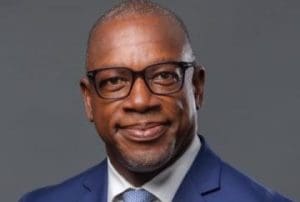
Former MASLOC CEO Sedina Tamakloe Attionu arrested in US

Former MASLOC CEO, Sedina Tamakloe Attionu
Former Chief Executive Officer of the Microfinance and Small Loans Centre (MASLOC), Sedina Tamakloe-Attionu, has reportedly been taken into custody at the Nevada Southern Detention Centre in the United States.
This information was disclosed in a statement issued by Ghana’s Ambassador to the United States, Emmanuel Victor Smith, and dated Thursday, January 15, 2026.
According to the statement, “My information is that she was detained by US Marshals on January 6th and has since been kept at that detention centre. I am reliably informed that, acting on an extradition request sent to the US Authorities sometime in July 2024, US Marshals arrested Mrs. Tamakloe-Attionu and placed her in detention to await her day in court.”
In April 2024, the Accra High Court (Financial and Economic Division) sentenced Sedina Tamakloe Attionu to 10 years in prison after she was found guilty of causing financial loss to the state.
Daniel Axim, the former Chief Operating Officer who was also prosecuted alongside her, received a five-year jail term with hard labour.
Both were convicted on 78 charges, including causing financial loss to the state, theft, conspiracy to steal, money laundering, and breaches of public procurement laws.
The trial, which began in 2019, featured testimony from six prosecution witnesses. Tamakloe was tried in absentia after leaving the country for medical treatment, while Axim appeared in person but chose not to call any witnesses.
The charges were linked to the misappropriation of MASLOC funds between 2013 and 2016. One of the key issues involved the withdrawal of GH¢500,000 as a loan for Obaatampa Savings and Loans. When the institution refused to offer a 24% interest rate, the money was reportedly demanded back. Although evidence of repayment was uncovered, it did not appear in MASLOC’s financial records.
The court also found that the pair diverted over GH¢1.7 million allocated for a nationwide sensitisation exercise, with only a small portion reaching its intended beneficiaries. Additionally, funds meant for victims of the Kantamanso fire disaster were not fully distributed, with a substantial amount allegedly kept by the accused.
Another aspect of the case involved the procurement of vehicles and Samsung mobile phones at highly inflated prices. Despite being bulk purchases, the amounts paid far exceeded the market rates at the time, according to the prosecution.