Editors slam ‘don’t publish, report to police’ court order
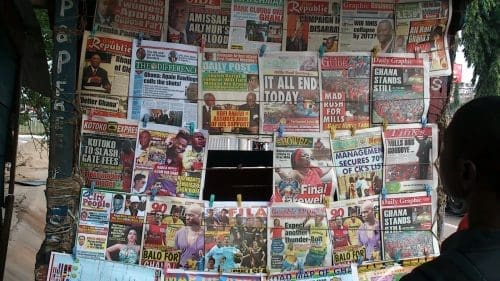
The West Africa Editors Society (WAES) has raised serious concerns about the implications of a recent High Court ruling, which it says poses a grave threat to free speech, media independence and investigative journalism in Ghana.
In a strongly worded statement, the regional editors’ body warned that the ruling, which effectively directs journalists to report their investigative findings to the police and other state agencies instead of publishing them, has the potential to gag the media and undermine the public’s right to know.
Background to the court case
The controversial decision followed a lawsuit filed against investigative journalist Innocent Samuel Appiah by businesswoman Cynthia Adjei, after he conducted investigations into her business dealings.
Mr. Appiah’s work reportedly examined issues surrounding Mrs. Adjei’s business registration, tax compliance and access to government land — matters WAES insists are clearly of public interest and central to democratic accountability.
High Court ruling and judicial reasoning
Justice Nana Brew, who presided over the case, ruled in favour of Mrs. Adjei, citing concerns about her privacy.
The court suggested that rather than publishing his findings, the journalist should have reported the information to state investigative bodies, including the Criminal Investigation Department (CID) of the Ghana Police Service and the Economic and Organised Crime Office (EOCO).
Dangerous precedent for journalism
WAES said the ruling sets a dangerous precedent that could fundamentally alter the role of the media in a democratic society. According to the editors’ body, compelling journalists to submit their findings to law enforcement agencies instead of publishing them risks turning journalists into “mere informants for the state” rather than independent watchdogs serving the public interest.
Journalism as a public good
“Journalism is a public good and journalists must be free to report on matters of public interest without fear of reprisal and the use of the law courts to intimidate and gag them,” the statement said.
Chilling effect on investigative reporting
The editors warned that if allowed to stand, the ruling could have a chilling effect on investigative reporting, discouraging journalists from pursuing stories involving powerful individuals or sensitive matters for fear of legal action or judicial restraint.
Such an outcome, WAES argued, would weaken transparency, embolden corruption and erode democratic accountability.
Growing use of lawsuits to silence the media
The statement, signed by WAES Interim President Emmanuel Dogbevi, also placed the ruling within a broader and worrying trend of what it described as the growing use of frivolous lawsuits to silence journalists and media organisations.
Implications for Ghana’s democratic image
“The growing trend of using frivolous law suits to stop media organisations and journalists from either writing or publishing stories does not look good on a country like Ghana that is often looked upon as a good example of a multiparty democracy,” Mr. Dogbevi stated.
He cautioned that Ghana’s reputation as one of Africa’s leading defenders of press freedom and democratic governance could be undermined if the courts are perceived as instruments for suppressing public-interest journalism rather than protecting constitutional freedoms.
Call for journalistic resolve
WAES further urged journalists across the country not to retreat in the face of legal pressure, but to remain steadfast in fulfilling their constitutional mandate to inform the public, expose wrongdoing and hold those in power accountable.
“He urged the Ghanaian journalism fraternity to remain resolute in pursuit of their constitutional obligations in exposing wrongdoing in the society, holding power to account and informing the people,” the statement said.
Allegations of censorship and political exposure
Describing the case as “a clear attempt at censorship,” WAES expressed particular concern about the broader political implications, noting Mrs. Adjei’s alleged connections to a politically exposed person.
According to the editors’ body, such circumstances heighten the public interest in the investigation and make judicial restraint on publication even more troubling.
Constitutional balance at risk
The society warned that court actions which prioritise privacy claims over public-interest reporting, without careful balance, risk weakening constitutional guarantees of free expression and media freedom enshrined in Ghana’s 1992 Constitution.
Wrong signal to journalists and the public
The statement concluded by stressing that decisions of this nature send the wrong signal not only to journalists but also to citizens who rely on the media for information necessary to participate meaningfully in democracy.
“Actions like the one by this court send the wrong signal and pose a threat to press freedom and the ability of journalists to report the news in the public interest,” WAES said.
A defining test for press freedom
As debate over the ruling intensifies, media advocates say the case could become a defining test of the boundaries between privacy, law enforcement and press freedom in Ghana, with far-reaching consequences for investigative journalism and free speech in the country.