
Here are the top 7 bills passed by Ghana’s Parliament in 2025
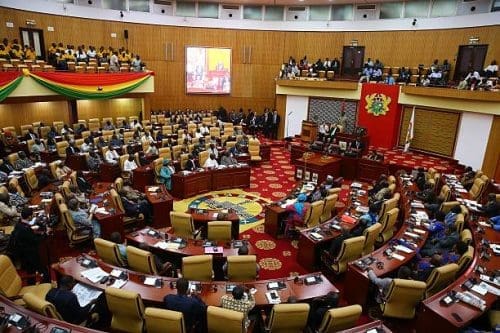
Parliament
In 2025, Ghana’s Parliament passed a broad range of legislation (bills) aimed at reforming fiscal policy, strengthening institutional frameworks, enhancing social protections, supporting economic development, and modernising regulatory regimes.
Out of the 33 bills introduced this year, 27 were passed by Parliament into law, reflecting a busy legislative calendar with significant implications for the country’s governance and economic direction.
Beyond these major laws, Parliament also approved numerous other bills as part of the fiscal policy framework, including amendments related to earmarked funds, tax administration, infrastructure financing, and educational trusts.
These measures collectively reflect the legislature’s efforts to address economic pressures, improve governance, and respond to the needs of diverse sectors across the country.
Here are the top 7 bills passed by Parliament in 2025.
1. Electronic Transfer Levy (E-Levy) Repeal Act, 2025
One of the most consequential laws passed was the repeal of the Electronic Transfer Levy, which abolished the 1% tax on electronic transactions that had sparked widespread public debate. The repeal aimed to lower the cost of digital payments, promote financial inclusion, and stimulate economic activity in the mobile money and banking sectors.

2. Bank of Ghana (Amendment) Bill, 2025
Amendments to the Bank of Ghana Act were approved to reinforce the central bank’s independence and tighten restrictions on its financing of government deficits.
The law limits direct central bank funding of government operations, clarifies emergency lending provisions, and strengthens governance and audit standards, aligning monetary policy practices with broader economic stabilisation goals.

3. Ghana Sports Fund Bill, 2025
Parliament passed the Ghana Sports Fund Bill to establish a dedicated financing mechanism for sports development.
The law provides for transparent mobilisation and management of resources to build sporting infrastructure and support athletes and administrators, promoting competitiveness and growth in the sector.

4. Ghana Gold Board Bill
An Act to establish the Ghana Gold Board to oversee, monitor, and undertake the buying, selling, and export of gold and other precious minerals was passed into law by Parliament on Friday, March 28, 2025.
The First Deputy Speaker of Parliament, Bernard Ahiafor, adopted the bill after a vote, with the Majority in Parliament supporting the motion.
This law designates GoldBod as the sole exporter of gold from Ghana’s small-scale mining sector, effectively barring licensed traders and bullion dealers from exporting gold directly.
As part of efforts to revitalise the local economy, President John Dramani Mahama initiated the establishment of the Ghana Gold Board (GoldBod), which falls under the Ministry of Finance.

5. Ghana Scholarship Authority Bill, 2025
The Ghana Scholarship Authority Bill, 2025, was passed by Ghana’s Parliament in November 2025 to overhaul scholarship administration, creating a central authority for transparency, fairness, and merit-based awards, replacing the fragmented Scholarship Secretariat system and reducing political interference, with aims to boost access for disadvantaged students via strict criteria and oversight.

6. Parliament approves Okada Bill
Parliament passed the Road Traffic Amendments Bill, popularly known as the ‘Okada Bill,’ after its third reading at the plenary.
The legislation seeks to permit the commercial use of motorcycles and tricycles in the country, with riders adhering to strict safety regulations, including the mandatory use of protective gear.
The Bill, when assented to by the President, will formally legalise the operations of motorcycles and tricycles for commercial transport purposes across the country.

This marks a significant policy shift aimed at regulating and integrating the widely used but previously outlawed ‘Okada’ services into Ghana’s transport system.
7. Virtual Asset Service Providers (VASPs) Bill, 2025
In a landmark move for the digital economy, lawmakers passed the Virtual Asset Service Providers Bill, Ghana’s first comprehensive regulatory framework for virtual assets and cryptocurrency-related services.
The new law mandates licensing and oversight of digital asset businesses by the Bank of Ghana and the Securities and Exchange Commission, aiming to protect consumers and support responsible innovation.