See the newest countries affected by Trump’s travel ban
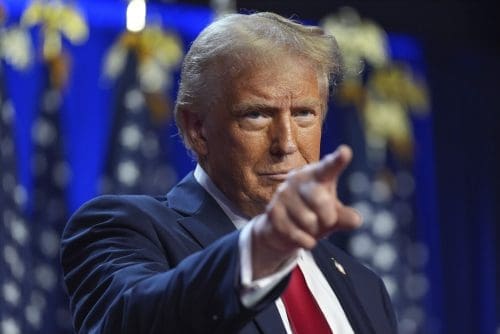
President Donald Trump
President Donald Trump has expanded the United States travel ban to cover nationals of five additional countries and individuals traveling on Palestinian Authority-issued documents, in a move the White House says is aimed at strengthening national security.
The new restrictions, announced Tuesday, will take effect on January 1 and impose full entry bans on citizens of Burkina Faso, Mali, Niger, South Sudan, and Syria. Individuals traveling on Palestinian Authority-issued or endorsed travel documents are also subject to a full suspension of entry into the United States.
The update also moves Laos and Sierra Leone from partial restrictions to a full ban, while partial restrictions are now applied to 15 other countries, including Nigeria, Tanzania, and Zimbabwe. The White House said the measures were intended “to protect the security of the United States.”
President Trump, who has tightened immigration controls since returning to the White House in January, said the expansion was necessary due to what his administration described as serious failures in overseas screening and vetting systems.
Officials cited high visa overstay rates, unreliable civil records, corruption, terrorist activity, and a lack of cooperation by some governments in accepting deported nationals.
The announcement followed the arrest of an Afghan national suspected of shooting two National Guard troops over the Thanksgiving weekend, an incident the White House pointed to as underscoring its security concerns.
“This is the third time Trump has imposed a travel ban,” the administration noted, recalling a similar order introduced during his first term in 2017 that sparked widespread protests and legal challenges before being upheld by the US Supreme Court.
According to the White House, the restrictions will remain in force until affected countries demonstrate “credible improvements” in identity management, information sharing, and cooperation with US immigration authorities.
Authorities stressed that several exemptions apply and that the ban will not affect lawful permanent residents, many existing visa holders, diplomats, or athletes traveling for major international sporting events. Case-by-case waivers will also be available where entry is deemed to be in the national interest.
Under the full restrictions, entry is suspended for nationals of Afghanistan, Burkina Faso, Burma, Chad, Equatorial Guinea, Eritrea, Haiti, Iran, Laos, Libya, Mali, Niger, the Republic of the Congo, Sierra Leone, Somalia, South Sudan, Sudan, Syria, and Yemen, as well as individuals traveling on Palestinian Authority-issued or endorsed documents.
Partial restrictions apply to nationals of Angola, Antigua and Barbuda, Benin, Burundi, Côte d’Ivoire, Cuba, Dominica, Gabon, The Gambia, Malawi, Mauritania, Nigeria, Senegal, Tanzania, Togo, Tonga, Venezuela, Zambia, and Zimbabwe.
Turkmenistan is listed as a special case, with restrictions remaining in place for immigrants but lifted for non-immigrant visas, after what the White House described as productive engagement and significant progress in information sharing.
In a fact sheet issued on December 16, the White House said the proclamation was based on “demonstrated, persistent, and severe deficiencies in screening, vetting, and information sharing” in the affected countries. It added that many of the listed states suffer from “widespread corruption, fraudulent or unreliable civil documents and criminal records, and non-existent birth registration systems.”
The administration argued that some governments refuse to share passport exemplars or law enforcement data, while others allow citizenship by investment schemes that conceal identity and bypass vetting requirements. High visa overstay rates and the refusal to repatriate deportable nationals were also cited as factors burdening US immigration enforcement.
“It is the President’s duty to take action to ensure that those seeking to enter our country will not harm the American people,” the White House said, insisting that the country-specific restrictions were designed to encourage cooperation while safeguarding public safety.
The move has already drawn attention across Africa and beyond, particularly in countries newly placed under full or partial restrictions, as governments and affected travellers assess the implications of the expanded ban.
Countries with full restrictions:
Afghanistan, Burkina Faso, Burma, Chad, Equatorial Guinea, Eritrea, Haiti, Iran, Laos, Libya, Mali, Niger, Republic of the Congo, Sierra Leone, Somalia, South Sudan, Sudan, Syria, Yemen, and individuals traveling on Palestinian Authority-issued or endorsed documents.
Partial restrictions:
Angola, Antigua and Barbuda, Benin, Burundi, Côte d’Ivoire, Cuba, Dominica, Gabon, The Gambia, Malawi, Mauritania, Nigeria, Senegal, Tanzania, Togo, Tonga, Venezuela, Zambia, Zimbabwe.